
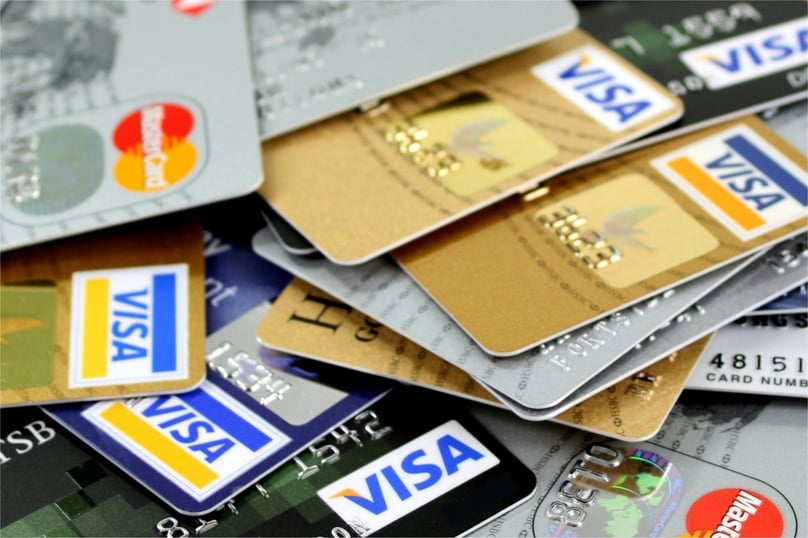
Bank cards, issued by banks or credit unions, represent an important financial tool used to perform varied financial tasks. They can be categorized into different types namely, ATM cards, debit cards, credit cards, and prepaid cards. Each card can be used for different purposes ranging from online/in-person purchases, cash withdrawals to carrying out diverse transactions.
The physical features that these cards showcase, along with their functionalities, are generally similar. These cards can be used to pay for goods and services, with the payment amount, depending on the type of card in use, deducted from or charged against your existing account.
ATM cards, a type of bank card, allow you to withdraw money from your linked account at ATMs. Depending on the issuer, however, these cards may also afford you the ability to make deposits, transfer funds, and carry out various other transactions.
In a step towards inclusivity, Mastercard introduced accessible cards in 2021 that featured unique notches at the card's edge, enabling individuals with vision impairment to differentiate between a prepaid card, a debit card, and a credit card.
The use of a debit card draws the necessary funds from your bank or credit union checking account. This card can also be used for cash withdrawals at ATMs and occasionally even at the point of sale.
Prepaid cards, on the other hand, must be pre-loaded with money before they can be used for purchases. In many cases, these cards are managed or issued by banking institutions, and in some instances, offer FDIC insurance protection against bank failure.
Gift cards, a type of prepaid card, unfortunately, have been linked as a common mode of committing fraud, according to the Federal Trade Commission.
Credit cards operate on the principle of revolving loan accounts, where you can spend up to a predetermined credit limit, with monthly payments required to pay off the balance. At times, you also have the option to withdraw cash at ATM's using your credit card, however, this usually results in high fees and interest rates, hence it is advisable to use this option only as a last resort.
Bank cards offer the promise of convenience and are accepted at most retail and online establishments, while also providing consumer coverage for purchased items. Many banking institutions offer rewards for the use of their bank cards in the form of cash-back programs on purchases.
While bank cards do offer several advantages, they could also be associated with multiple fees, such as replacement fees, account maintenance fees, and foreign transaction fees. Therefore, it's essential to be informed about your chosen card's specifics before usage.
In conclusion, each card comes with its distinctive features, fees, benefits, and drawbacks, and therefore a thorough understanding of the workings of your card is vital. Although bank cards offer efficient access to your funds or a revolving loan with a bank, it's crucial to be mindful of your spendings and to routinely manage the account balances connected to your bank card to avoid any unwelcome financial surprises.