
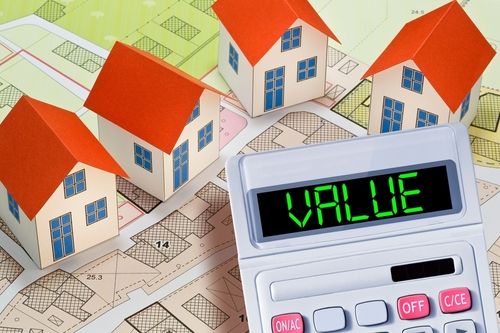
Appraised property value plays an integral role in the real estate sector, offering a value estimate at a particular point in time. Vital in setting mortgage terms such as the loan-to-value ratio (LTV), the appraised value might be lower or higher than the market value.
While some factors influencing the appraised value, like the value of neighbouring properties, cannot be controlled by homeowners, elements like the property's appeal can be enhanced before an appraisal. The appraised value has a crucial role in the loan underwriting process, affecting the loan amount and conditions. Generally, if the LTV is more than 80%, the lender requires the borrower to purchase private mortgage insurance. However, if a new appraisal lowers the LTV to 78%, the need for private mortgage insurance may be eliminated.
Occasionally, the appraised value may not match the selling price or actual market value. For instance, a property could sell for more than the appraised value in a competitive bidder scenario or a hot real estate market. Professional appraisers chosen by the lender but paid for by the borrower evaluate this value during the mortgage origination phase.
The market value and even an approved purchase price can vary from the property's appraised value. The market value refers to the price buyers are willing to pay, which may lead to negotiations between the buyer and seller, producing a compromise price. Nonetheless, this negotiated price might differ from the lender's appraised value determining the financing authorization level.
A property's appraised value can be influenced by several factors including its appeal, need for infrastructure repairs, comparison of sale prices in nearby properties, and local crime rates. Undesirable factors such as proximity to noise pollution can reduce appraised value, while well-maintained properties could well align with the appraised values of equivalent properties in the area.
To augment the appraised value of real estate, property owners could make significant improvements beyond basic maintenance and repairs. Enhancements such as adding a deck or patio, upgrading heating and ventilation systems for energy efficiency, installing smart control systems, expanding the garage, improving bathrooms, and renovating kitchens can be beneficial. Permanent enhancements that enrich the enjoyment and use of the property may raise the appraised value.
Finally, the appraised value, an assessment of a property's value at the appraisal time, affects mortgage underwriting decisions, borrowing power, and insurance prerequisites. It often differs from the market value, which is based on what the buyer is willing to pay. The appraised value can be improved by the seller through strategic improvements and enhancements in the property.