
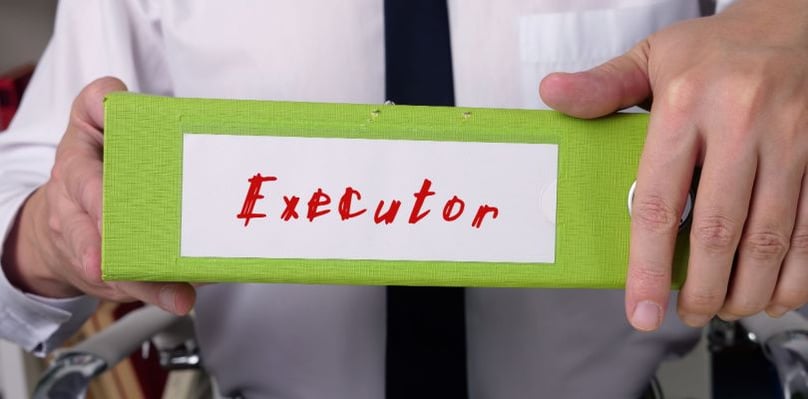
Taking on the role of an executor of an estate can be a daunting task, particularly for those unversed in estate management. With disciplined preparation and collaborative planning with the testator before their passing, this role can become significantly less stressful.
The first step to becoming an efficient executor is knowing the location of the will and all related estate documents. Having the original insurance policies, deeds, partnership documents, and other vital papers in an agreed-upon site, like a home or bank safe, can simplify the executor's duties. Having a backup of these documents can also be helpful.
Another essential step is ensuring during the testator's lifetime that there is seamless transfer of assets. Making all accounts joint and titles co-owned not only ensures asset transfer but also minimizes estate taxes.
It is also crucial for a well-prepared executor to ensure that the testator has named appropriate beneficiaries for their financial and insurance accounts. Should their status change due to factors like divorce or death of a spouse or child, the list of beneficiaries needs to be updated.
Another element to discuss with the testator could be their desired funeral arrangements, which should be documented. Preferences may include desired final resting place, or other specific wishes such as donations made to a charity of choice.
Keeping a list of personal yet sentimental possessions can also avoid tensions arising during asset distribution. Diagramming such guardian gifts or loans can provide solace to the testator and avoid potential family disputes later.
To streamline estate management, the executor should confirm pension beneficiaries, and for High-net-worth individuals (HNWIs) who tend to give financial gifts pre-mortem, the executor should help organize their distribution.
Recording testator's online assets, like accounts on LinkedIn, Facebook, Paypal, and eBay, and managing termination of paid memberships after the testator's passing, is incredibly necessary to avoid unnecessary charges.
Lastly, the executor can make their job significantly easier by staying in touch with professionals associated with the estate, like lawyers and accountants, who may provide specific advice or information that will prove beneficial.
The executor's role is a significant responsibility, given the need to execute a deceased person's will, distributing assets, and ensuring loose ends such as unpaid bills are settled. This requires trust, capability, and a balanced approach. While some aspects of the role can be challenging, with advanced planning and organized execution, it is possible to not only reduce complications but honor the testator's wishes accurately.