
The concept of money has remarkably transformed throughout human history, beginning more than 5,000 years ago with the bartering system. Initially, people exchanged goods and services directly. For instance, a farmer could trade a bushel of wheat for a pair of shoes made by a shoemaker. The exchange's value depended heavily on the mutual consent of both parties involved. This practice gradually evolved into trading easily exchanged items like animal skins, salt, and weapons as a medium of exchange.
The birth of standardized metal coinage in the form of spade coins began around 640 BCE, at an archaeological site discovered in Guanzhuang, Henan Province, China. This ancient minting facility is the oldest known of its kind. During the same period, in the west, Lydia's King Alyattes introduced the Lydian stater, considered the first official currency. Remarkably, coins were crafted from naturally occurring electrum and stamped with images indicating their denominations.
The introduction of money significantly increased the pace at which business transactions occurred, thereby improving economies and fostering prosperity. In 1260 CE, China transitioned from coins to paper money, which was a major milestone in evolving monetary systems. The stability and worth of the paper money depended on the ruling monarchy or government and how well they managed the money supply and its denominations.
By the 16th century, European banks had started issuing paper banknotes as a substitute for metal coins. These banknotes were redeemable for their face value in silver or gold coins, making transactions more efficient and less cumbersome. Countries established the gold standard in the 1870s, linking their currency printing to the amount of gold reserves they had, creating a more uniform international currency market.
In the 21st century, financial transactions entered the digital age. Mobile payments, a novel form of payment, allowed individuals to pay for goods and services, or transfer funds using portable electronic devices. Payment services and apps like Apple Pay, Venmo, and PayPal have now become standard methods of transacting.
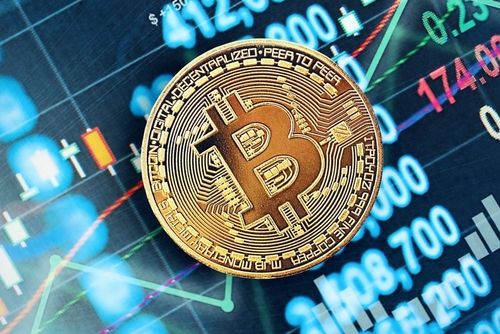
Virtual currencies were the next step in the evolution of money, starting with Bitcoin in 2009, followed by other digital cryptocurrencies like Ethereum, XRP, and Dogecoin. They are attractive due to their potential for lower transaction fees and decentralization from government-issued currencies. However, they are often seen as speculative assets due to their price volatility.
As we continue to evolve, so does our monetary system. From bartering to coins, from paper currency to digital transactions and virtual currencies like Bitcoin, our system of exchange changes to reflect our economic needs and advancements in technology. Despite these advancements, bartering and other traditional methods continue to exist and function alongside digital and virtual monetary systems. As long as humans need a reliable method of exchanging value, the evolution of money will persist.