
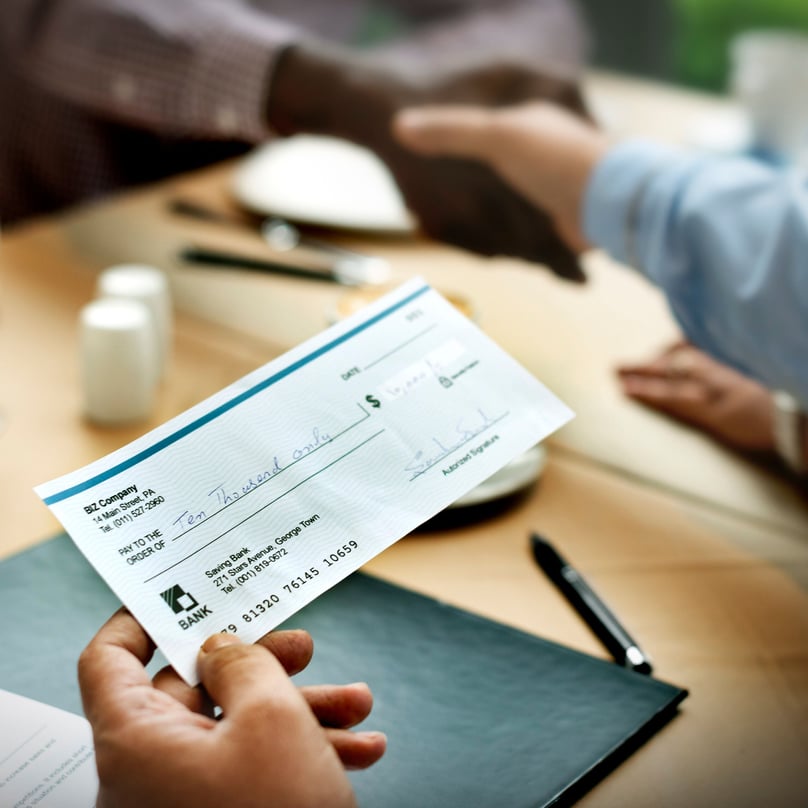
An e-check is a digital payment tool that lets individuals and businesses carry out safe transactions via the Automated Clearing House (ACH) network, bypassing the need for traditional paper checks. Functioning similarly to paper checks, e-checks have sped-up processing and advanced security mechanisms. They are a part of electronic fund transfers, providing an economical solution for online dealings.
The concept of an electronic check belongs to the broader field of electronic banking and is a component of electronic fund transfers (EFTs). EFTs incorporate electronic checks and other digitalized banking operations such as ATM withdrawals and deposits, debit card transactions, and remote check deposit abilities. These transactions enlist different computer and network technologies to access pertinent account information to execute the requested actions.
E-checks were developed to accommodate transactions in the digital commerce environment. They can be used for any transaction that paper checks can cover, and are subject to the same laws applicable to paper checks. The initial use of electronic checks was done by the U.S. Treasury for sizeable online payments.
Typically, it's cheaper to issue an e-check than a physical one. They are more economical as they eliminate the requirement for paper and postage for long-distance payments. The average cost to print and issue a paper check varies from $4 to $20, while the average fee for an e-check transaction is between $0.30 and $1.50.
Electronic checks have multiple authentication layers ensuring accurate fund routing, accompanied by a reduced risk of theft, as there's no physical item to snatch. Many employers utilize the direct deposit system, a popular version of the electronic check. It enables electronic delivery of an employee’s wages directly into their bank account. Taxpayers eligible for a federal tax return refund can choose to receive an electronic check directly deposited by the Internal Revenue Service (IRS) instead of getting a physical paper check via mail.
To utilize e-checks, you must initially sign up for an e-check service through your bank or a payment processing company like Square, Stripe, or PayPal. Then, provide the necessary payment information and authorize the transaction. Although e-checks are sent online instantly, they take longer than other digital payments done via apps to process due to the Automated Clearing House (ACH) network. Still, e-checks are seen as safer than traditional paper checks, which are riskier due to the possibility of theft and forgery. As a digital replacement for paper checks, e-checks offer increased security and lower transaction costs, proving advantageous for both businesses and individuals. Despite taking a longer time to process than other online payments, e-checks continue to be a dependable and convenient payment option in e-commerce and direct deposit systems.