
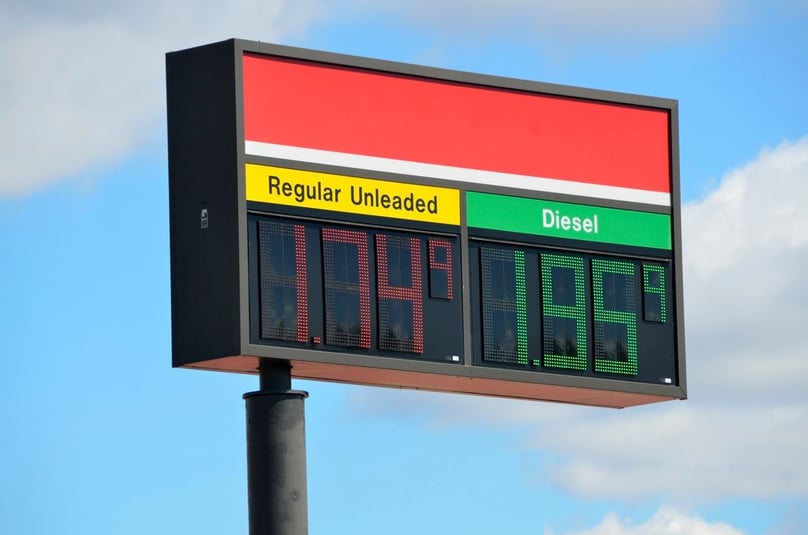
Despite rising grocery bills and holiday shopping costs in recent times, gas prices have remained low-a trend that may positively influence broader prices in the market. As of Dec. 1, the national average for gasoline prices stood at $2.95 per gallon, marking the lowest level since 2021, as per data from GasBuddy. The year 2025 witnessed stable gas prices, a contrast from previous years. The primary contributors to these low rates include increased crude oil production and the absence of significant tropical storms that could have caused substantial damage to Gulf Coast refineries.
Patrick De Haan, the head of petroleum analysis at GasBuddy, remarked, "Refinery maintenance is largely complete, and OPEC is increasing oil production for December…combine those factors, and you have a solid recipe for continued downward pressure on gas prices in the weeks ahead."
Continuous economic strains and rising inflation following the introduction of wide-ranging tariffs have caused concerns among consumers. However, stable gas prices throughout the year may lead to a slowdown in food and apparel prices, providing some relief. While prices for most items increased this year, stable gas costs have been a consistent factor, which could eventually slow down hikes in grocery and retail store prices.
Higher gas prices have also been found to typically increase food costs- primarily due to the increased cost of using farming and harvesting machinery and a rise in corn prices as the demand for ethanol substitutes for gasoline rises. However, low gas prices throughout the year could result in a countermovement, decelerating the rapid increase in food and other goods prices.
President Donald Trump's tariffs on many imported goods, among other factors, have fueled price hikes on groceries and apparel over the last year. Yet, these tariffs have not affected imported gas prices, which may counterbalance any increases in non-fuel imported goods prices, according to an Oxford Economics report.