
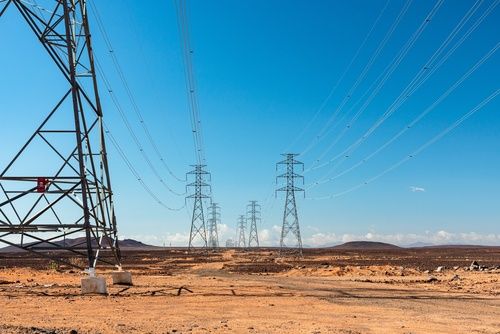
Wholesale energy is a concept that covers the mass procurement and sale of energy products like electricity, steam, and natural gas in the wholesale market. This activity is conducted by energy producers and energy retailers, however, the wholesale energy market also sees the participation of financial intermediaries, energy traders, and large-scale consumers. This concept materialized post the deregulation of electricity markets worldwide in the 1990s.
Wholesale trading encapsulates business activities that involve selling goods in bulk quantities at reduced prices. These goods are then typically sold by retailers at higher prices for profit. The term "wholesale" in the context of the energy market pertains to the large-scale buying and selling of electricity between utility companies. However, the wholesale energy market is also seeing a surge in participation from small independent renewable energy producers.
These wholesale energy markets are operated and regulated by independent system operators. The deregulation of electricity markets and the inception of wholesale energy markets have had benefits such as improved reliability, efficient grid management, and transparent pricing. However, critics contest that the wholesale energy model may lead to inflated prices for retail consumers and the creation of artificial shortages due to market manipulation.
The ongoing deregulation of the energy market has given retail energy consumers the opportunity, although with some difficulty, to take part in the wholesale energy market and sell electricity generated from renewable sources back to the power companies. This process is not yet streamlined and requires work to ensure fairness and efficiency. For example, modernizing outdated grid systems may enable customers selling back power to their electricity providers to receive more equitable rates.
As of July 2026, 40 states in the U.S, along with the District of Columbia, permit full retail "net metering". This means that households producing electricity through residential solar projects can receive payment from power companies for any surplus energy supplied to the grid. Additionally, there are state-level tax incentives to encourage homeowners to adopt more sustainable and energy-efficient practices, allowing retail customers to participate in the wholesale energy market. The ultimate goal of such an arrangement is to establish an efficient, low-cost model that serves the best interests of both consumers and producers.